
 New
C&I Storage
Low-Voltage LiFePO4 Battery Cabinet · 48–96 kWh (Air-Cooled)
All-in-one 51.2 V LiFePO4 cabinet — 48/64/80/96 kWh, air-cooled, modular
48–96 kWh modular capacityAll-in-one LiFePO4 design51.2 V platform
Specify LiFePO4 battery energy storage for commercial facilities, solar projects and generator-assisted systems. Define the project around load power, backup duration and operating mode before selecting a cabinet or container configuration.
Discuss an OEM or distributor enquirySelect a model to review its specification and application requirements.
NewAll-in-one 51.2 V LiFePO4 cabinet — 48/64/80/96 kWh, air-cooled, modular
NewHigh-voltage LiFePO4 cabinet 65–261 kWh — 320–832 V, air-cooled
NewIntegrated LiFePO4 + PCS/EMS/MPPT + generator port — 48 kWh–2 MWh, air-cooled
NewLiquid-cooled hybrid storage with MPPT + generator port — 209 kWh–2 MWh, IP65
NewOn/off-grid air-cooled storage cabinet — 125 kW, 221/241 kWh, IP54
NewOn/off-grid liquid-cooled cabinet — 261/522 kWh, IP65, external MPPT
New1C high-current discharge series — 65–265 kWh, external inverter support
NewIntegrated isolation transformer, <10 ms switching — 241–522 kWh
New60/100/125 kW hybrid storage — 120–261 kWh, genset support
NewModular hybrid storage 48 kWh–2 MWh — 208–480 Vac, configurable
NewDC-coupled PV + storage + EV charging — 87 kWh–1.5 MWh, 2–4 guns
NewLiquid-cooled EV charging BESS — 160–522 kWh, 200–1000 V DC, IP65
NewFour-gun liquid-cooled container — 480 kW fast charging, IP65
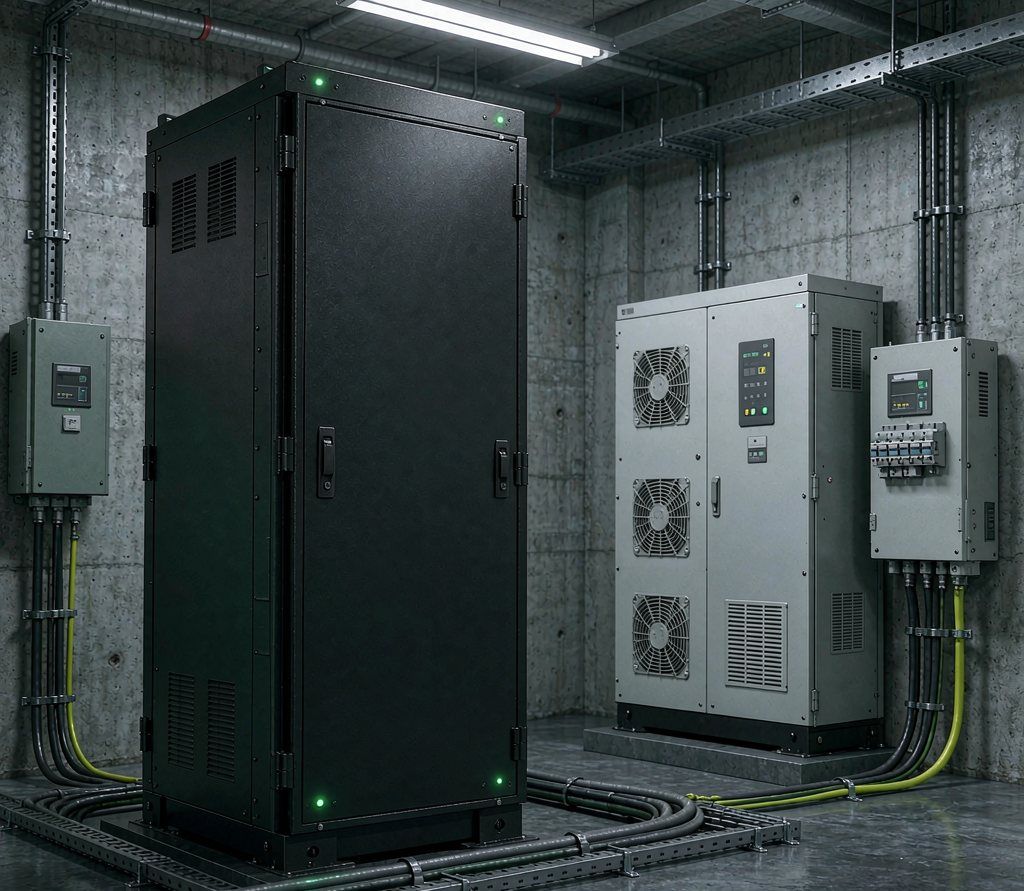 Project-grade
19-inch rack-mounted packs with smart BMS from 24 V to 512 V.
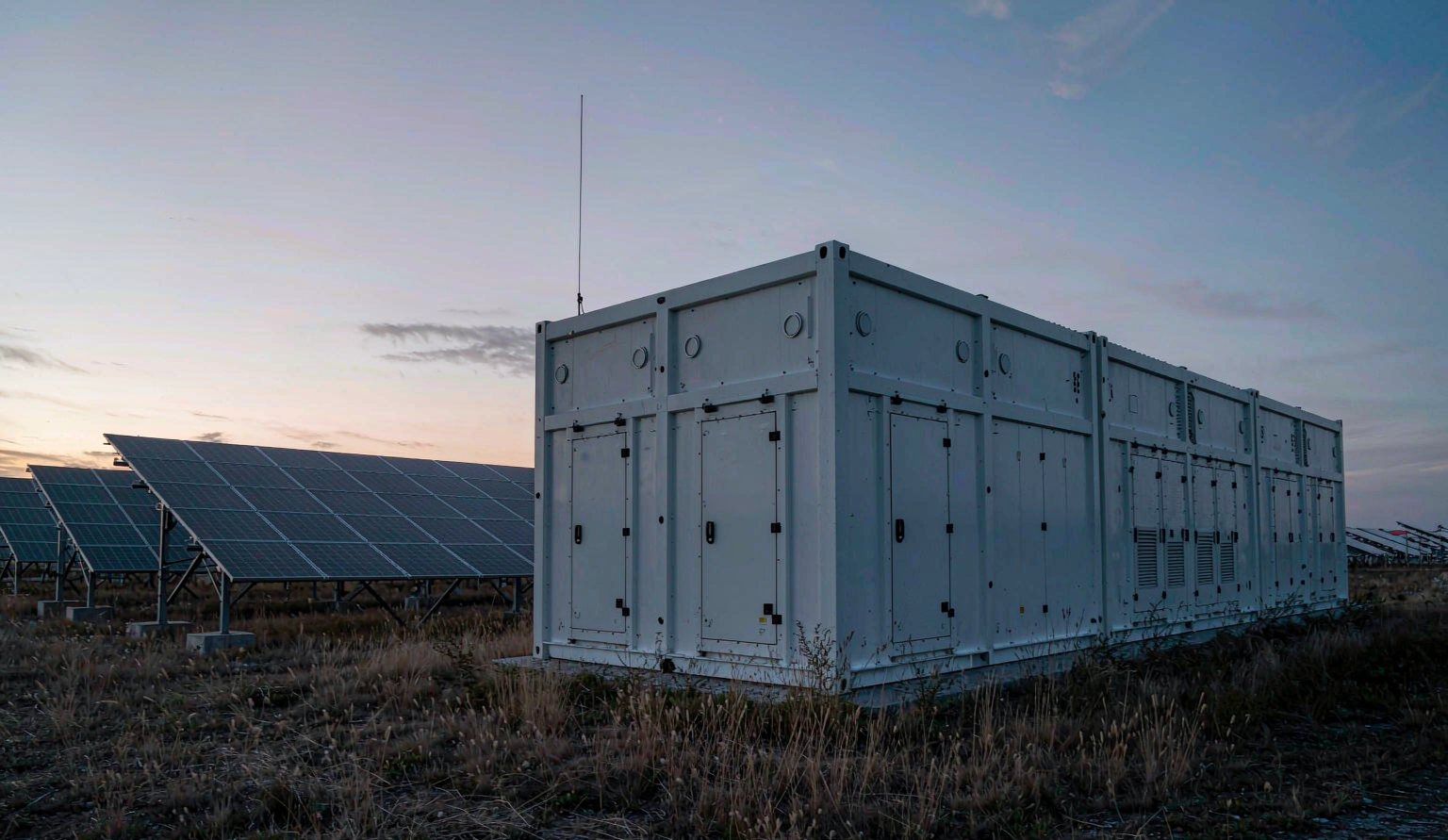
Containerized battery storage for utility-scale solar.
PCS power describes the power-conversion rating; battery energy describes stored energy. A project needs both the required output and sufficient usable energy. Account for motor starting, load steps, reserve settings and the permitted operating window.
State grid voltage and frequency, grid-connected or off-grid operation, solar and generator interfaces, site conditions and the desired monitoring method. Confirm transfer behaviour and control functions for the chosen configuration.
Send a load profile or maximum demand, the backup-duration target, site layout and installation environment. Include generator and solar details where relevant. Confirm local requirements, commissioning scope and model-specific documentation before final procurement.
No. Confirm the generator electrical characteristics, control interface and the operating strategy for the complete system.
No. Usable capacity, load profile, auxiliary consumption, conversion efficiency and reserve requirements affect the result. Use the project load profile for sizing.
Send the application, required specifications, quantity and destination for a model-specific proposal.
Request a quote